

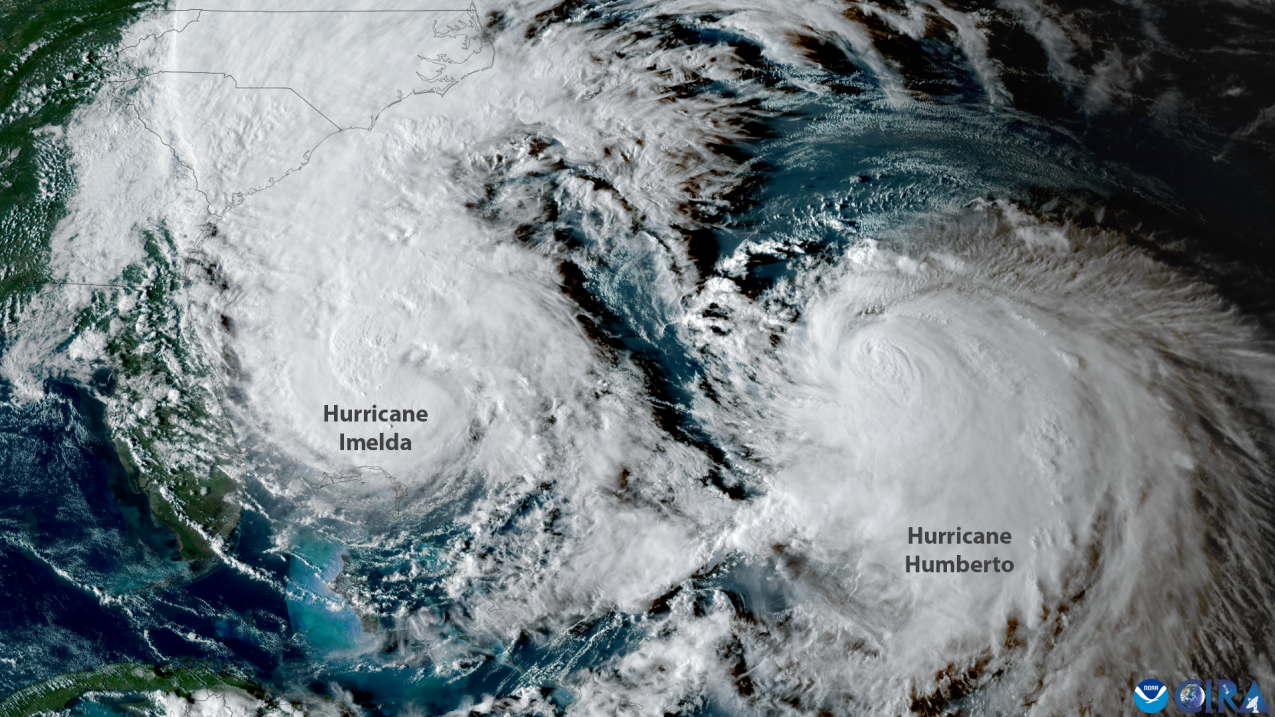
NOAA will issue its outlook for the 2026 Atlantic hurricane season during a news conference on Thursday, May 21, at the NOAA Aircraft Operations Center in Lakeland, Florida, and virtually.
Speakers will announce the anticipated activity for the 2026 Atlantic hurricane season, factors that may influence hurricane development, and provide advice for how the public can prepare for the season, which officially begins on June 1 and ends November 30.
WHAT
News conference announcing NOAA’s 2026 Atlantic Hurricane Season Outlook
WHEN
Thursday, May 21; 11:00 a.m. – 12:00 p.m. EDT
WHERE
NOAA Aircraft Operations Center
3450 Flightline Drive, Lakeland, Florida 33811
WHO
- Dr. Neil Jacobs, NOAA administrator
- Ken Graham, director, NOAA’s National Weather Service
- Rear Adm. Chad M. Cary, NOAA Corps Director and NOAA Marine and Aviation Operations assistant administrator
Matthew Rosencrans, lead hurricane season forecaster with NOAA’s National Weather Service and crew members from NOAA’s Hurricane Hunter aircraft will also be available for questions and interviews.
REGISTRATION
1. In-person option
Media interested in attending the in-person news conference must email [email protected] by 4:00 p.m. EDT on May 19. Space is limited. For any questions, email [email protected].
2. Virtual option
Credentialed reporters unable to attend in person may watch a live stream of the news conference and must register at this link offsite link. (For the best experience, download the Adobe Connect app offsite link.) Reporters attending virtually will have the ability to submit written questions during the Q&A portion of the event.
Additional resources
Hurricane safety and preparedness are critically important before the season begins on June 1. NOAA’s National Weather Service provides resources to prepare for hurricane hazards and real-time updates about active tropical weather systems from the National Hurricane Center at www.hurricanes.gov.
NOAA pilots, planes and researchers, based in Lakeland, Florida, fly into the world’s worst weather. Data collected by the agency’s high-flying meteorological stations help forecasters make accurate predictions during a hurricane and help hurricane researchers better understand storm processes, improving their forecast models.
Source link