

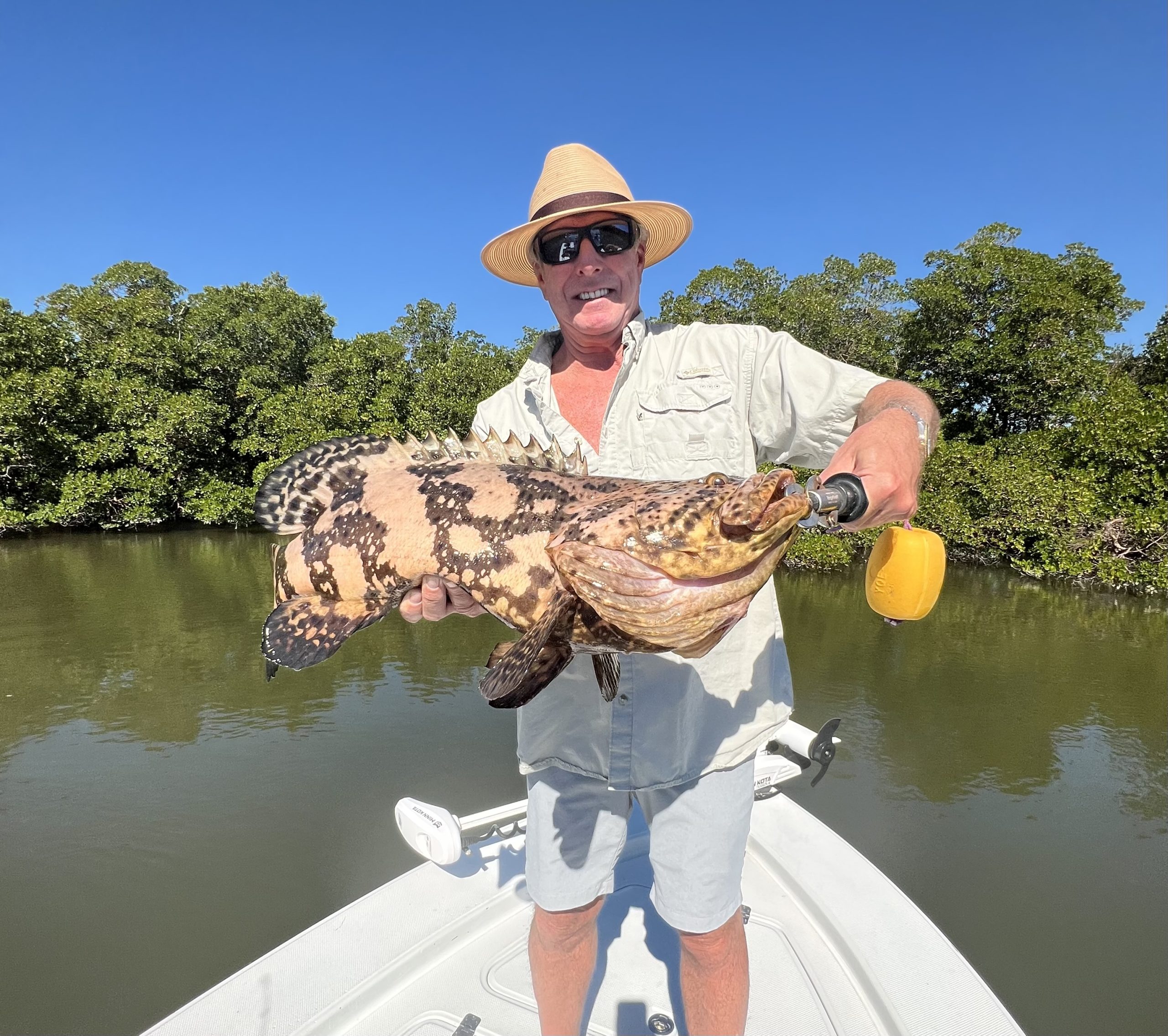
How to Read Mangrove Shorelines & Use Wind Direction to Catch More Fish in Southwest Florida
Fishing the backcountry of Southwest Florida is a constant puzzle—one that rewards anglers who understand how wind, water movement, and mangrove structure influence where fish feed. As a full-time guide one of the most common questions I hear is: “How do you know where the fish are going to be?”
The answer almost always involves two things:
(1) reading mangrove shorelines and
(2) using wind direction to narrow down feeding zones.
Whether you’re targeting snook, redfish, sharks, or tarpon, mastering these two skills will instantly improve your success during your next trip on fishing Marco Island, marco island fishing, and Naples fishing charters.
How to Read Mangrove Shorelines Like a Local Guide
Mangroves are the foundation of inshore and backcountry fishing in Southwest Florida. They provide structure, shade, ambush points, and endless places for bait to hide. By learning to read their subtle features, you’ll begin to see patterns that most anglers overlook.
1. Shoreline Points, Corners, and Tips
Every point or corner in the mangroves creates a natural pressure break. Water curls around it, slowing bait down—exactly where snook and redfish position themselves. If the point faces into the tide or the wind, it becomes a feeding station, especially during strong tide swings.
Points also hold fish across seasons, making them excellent spots for both snook fishing and redfish fishing year-round.
2. Overhangs, Root Systems, and Dark Shade Lines
Mangroves create tunnels of shade where predator fish feel safe. On hot days, look for deep shadow pockets. Snook love to suspend under the darkest shade line, waiting for bait to drift by naturally.
Pitch a live bait, jig, or paddle tail tight to the trees, let it sweep in the current, and hold on. Snook strike hardest in these compressed pockets.
3. Shoreline “Pushes,” V-Wakes, and Nervous Water
Calm mornings are perfect for spotting subtle movement:
- A V-wake sliding along the roots = redfish
- Boiling water = snook chasing bait
- Nervous dimples = pilchards or glass minnows under pressure
These surface clues tell you exactly where predators are staging—and where to cast.
4. Funnels, Cuts, and Hidden Mangrove Coves
Small gaps, blown-out coves, and narrow creeks act like bait traps. When wind or tide pushes water into these pockets, predators position themselves at the entrance. These areas can produce:
- Schooling redfish
- Snook ambushing bait
- Small tarpon rolling early
- Sharks cruising edges during outgoing tides
When these pockets line up with a feeding tide, they become can’t-miss spots.
How Wind Direction Changes Fishing in Southwest Florida
Wind doesn’t just affect casting—it changes everything about bait movement, water clarity, and predator positioning. On every fishing charter, we use wind as our blueprint for choosing shorelines and adjusting strategy.
East Wind – Morning Bite Advantage
An east wind usually means calm beaches and clean water early in the day. This can create:
- Snook cruising the surf
- Tarpon staging just off the beaches
- Cleaner shorelines inside the bays
East wind also pulls water out of the backcountry, creating stronger outgoing tides around mangrove points—excellent for snook and redfish.
West Wind – Afternoon and Summer Pattern
A west wind pushes warm surface water into the bays and can make shorelines muddy. This drives fish into:
- Shadowed mangrove pockets
- Deeper troughs
- Points facing away from the blow
It’s also when sharks move into predictable lanes, making shark fishing productive around edges and deeper cuts.
North Wind – Cold Front Reset
After a winter front, north wind cools the water quickly. Fish push into:
- Deep creeks
- Mud-bottom troughs
- Warm sunlit banks
This is when Naples fishing charters and fishing SW Florida guides slow things down, switch to shrimp or slower presentations, and target deeper holding spots.
South Wind – Warm Weather, Active Bait
A south wind drives moisture and heat, firing up the bite for:
- Tarpon
- Outer-mangrove redfish
- Big snook staging along windward points
It also stacks bait along windward edges—a prime condition for all types of fishing charter work.
How to Combine Wind & Mangrove Reading for Better Fishing
Knowing where predators should be is one thing. Knowing where they will be comes down to blending shoreline features with wind direction.
Here’s the formula we use daily on Marco Island fishing trips:
Windward points on clean-water days → snook & tarpon
Leeward mangroves on muddy-water days → redfish
Gaps and cuts during falling tide → snook ambush zones
Outer shorelines on south wind → redfish and sharks
Sunlit banks after cold fronts → warming-station snook
Once you learn to see water this way, every shoreline becomes easier to read.
Book a Backcountry Trip & Learn These Skills on the Water
If you want to learn how to break down mangrove lines, read currents, interpret wind, and adapt quickly to changing conditions, join us at Everglades Guide Service. Whether you’re chasing snook, redfish, sharks, or tarpon on your next adventure, we’ll teach you the same tricks and strategies we use every day on our Naples fishing charters, off shore fishing, and deep sea fishing trips.
Fishing Southwest Florida is a year-round opportunity—learning to read the signs makes every trip better.
Source link